Darknet Markets 2026:
The dark web is part of the deep web but is built on darknets: overlay networks that sit on the internet but which can't be accessed without special tools or software like Tor. Tor is an anonymizing software tool that stands for The Onion Router — you can use the Tor network via Tor Browser.
| Darknet Market | Established | Total Listings | Link |
|---|---|---|---|
| TorZon Market | 2022 | 140+ | Onion Link |
| Nexus Market | 2024 | 600+ | Onion Link |
| Abacus Market | 2022 | 100+ | Onion Link |
| Ares | 2026 | 100+ | Onion Link |
| Cocorico | 2023 | 110+ | Onion Link |
Updated 2026-10-27
How Decentralized Hosting Makes Darknet Trade Safer and More Stable
The operational foundation of modern darknet markets is decentralized hosting, which directly increases platform uptime and user safety. Unlike earlier centralized marketplaces that were vulnerable to single-point seizures, contemporary systems utilize distributed technologies like peer-to-peer networks and content-addressable storage. This architecture ensures that no single server failure or takedown can remove the marketplace from the network, creating a stable trading environment. Stability is a prerequisite for safety, as it allows for the consistent application of other security features.
This stability enables the implementation of automated multi-signature escrow. Funds in a transaction are held in a smart contract requiring multiple cryptographic signatures for release. This removes the need for a central, potentially corruptible, administrator to hold funds and automates the release upon mutual agreement or a trusted, pre-defined resolution mechanism. The buyer's payment is secured until product delivery is confirmed, while the vendor is assured of payment once their obligations are met, significantly reducing fraud.
Transaction safety is further enhanced by the use of privacy-centric cryptocurrencies with built-in tumblers. These currencies, often utilizing protocols like Confidential Transactions or zk-SNARKs, obscure transaction amounts and participant addresses by default. Integrated mixing services break the on-chain link between market deposit and withdrawal addresses, providing stronger financial privacy than the manual use of external tumblers required in the past. This built-in obfuscation protects users from blockchain analysis.
Vendor selection is guided by transparent reputation from verifiable data. Feedback and dispute resolution histories are stored on immutable ledgers, preventing vendors from artificially inflating their scores or deleting negative reviews. Buyers can audit a vendor's entire transaction history, including shipping times and product consistency, leading to more informed purchasing decisions. This system rewards reliable vendors with more business, creating a self-regulating ecosystem where trust is earned and publicly verifiable.
The user experience is streamlined through accessible and encrypted user interface design. Modern markets feature intuitive interfaces similar to mainstream e-commerce platforms, with clear navigation, advanced search filters, and encrypted messaging systems. This reduces user error, a common security risk, while ensuring all communications remain confidential. The combination of familiar design with robust encryption lowers the technical barrier to safe operation.
Finally, specialized product listings with quality metrics provide detailed information. Listings now often include standardized lab test results for purity, detailed origin information, and precise dosage data. This level of detail allows buyers to make precise choices based on verified quality, reducing the health risks associated with unknown or adulterated substances. The market incentivizes vendors to provide this data to compete, raising the overall standard of products available.
Automated Escrow Makes Darknet Trading Safer and More Trustworthy
The evolution of automated multi-signature escrow systems represents a fundamental improvement in transactional security on darknet platforms. These systems function as a neutral third party, holding the buyer's cryptocurrency in a secure, multi-key wallet until the order is fulfilled. The process is now fully automated by smart contracts, eliminating the need for a human moderator who could be biased or corrupt.
A standard transaction involves three cryptographic keys: one held by the buyer, one by the vendor, and one by the market's automated escrow system. The funds are only released when at least two of the three parties agree. For a successful purchase, the sequence is:
- The buyer places an order and sends funds to the escrow address.
- Upon receiving the product, the buyer releases their key to finalize payment to the vendor.
- If the buyer does not confirm receipt but the vendor provides valid shipping proof, the automated system can release the funds after a predetermined time, protecting vendors from false claims.
This mechanism directly builds trust between anonymous parties. It prevents exit scams where a vendor collects payments without shipping products, as they cannot access the funds unilaterally. Conversely, it protects honest vendors from fraudulent buyers who would falsely claim non-delivery to get a refund. The automation ensures resolutions are swift and based on verifiable evidence, creating a self-regulating and safer trading environment that encourages reliable commerce and higher market stability.
How Verifiable Data Builds Trusted Darnet Vendors
The evolution of vendor reputation systems on darknet markets in 2025 directly addresses historical concerns about transactional safety. Earlier platforms relied on simple feedback scores that were easily manipulated. The current standard integrates verifiable data from every transaction into an immutable ledger. This creates a transparent and cumulative reputation profile for each vendor, built from objective metrics rather than subjective reviews alone.
Key verifiable data points now include:
- Shipping consistency and delivery timeframes, automatically logged from order finalization to finalization.
- Product purity metrics, when standardized testing results from trusted community labs are linked to the listing.
- Resolution rates for disputes, showing the vendor's history of engaging with the platform's escrow system to solve issues.
This system allows buyers to make informed decisions based on a vendor's proven operational history. A high reputation score derived from this data signifies a lower risk of encountering scams or receiving substandard products. The market's interface presents this data clearly, enabling users to quickly identify trusted vendors with long-term, verifiable track records of successful transactions. This structural shift elevates market safety by making vendor quality a transparent and measurable commodity.

How Built-In Privacy Makes Darknet Trade Safer and Easier
The evolution of privacy-centric cryptocurrencies with integrated transaction mixing, or built-in tumblers, represents a fundamental upgrade for financial privacy on darknet platforms. These currencies operate on the principle of obfuscating the transaction trail by default, making the linkage between a buyer's deposit and a vendor's withdrawal computationally impractical to trace. This inherent privacy shifts the security paradigm from user-operated tools to a protocol-level guarantee.
For the buyer, this means a simplified and more secure payment process. The technical burden of using separate mixing services is eliminated, reducing operational errors. The financial footprint of a transaction is minimized by design, separating marketplace activity from a user's public cryptocurrency holdings. This design directly supports safer purchasing by making financial surveillance significantly more difficult.
The ecosystem benefits from enhanced stability. When all transactions are private by default, it removes a primary vector for blockchain analysis used for market disruption. This fosters a more resilient trade environment. Furthermore, the use of these currencies complements other trust mechanisms; a vendor's reputation is assessed through verifiable marketplace feedback, not through traceable financial patterns, creating a more reliable and self-regulating system.
Safer Shopping with Lab-Tested Listings
The evolution of specialized product listings represents a fundamental shift in consumer safety on darknet platforms. These are no longer simple text advertisements but structured data entries with standardized quality metrics that provide objective, comparable information. Each listing for a substance includes verified laboratory analysis results, detailing precise chemical composition and potency, which directly mitigates the health risks associated with adulterated or misrepresented products. Vendors are incentivized to provide this data, as listings with comprehensive metrics achieve higher visibility and consumer trust.
This system creates a self-reinforcing cycle of quality assurance. A product listing features user-submitted reviews that are tied to a specific batch number, ensuring feedback is relevant and accurate. Key metrics typically displayed include:
- Purity percentage from independent testing services.
- Detailed substance breakdown identifying all active and cutting agents.
- Consistent photographic documentation with scale and batch identifiers.
- Vendor's historical consistency score for potency across previous batches.
The aggregation of this data allows for sophisticated filtering and sorting. A consumer can easily locate a product not just by name, but by a required minimum purity level or a specific desired effect profile, moving the transaction from a gamble to an informed procurement. This granularity in product differentiation fosters a competitive market where quality and transparency become the primary drivers of commercial success, naturally elevating safety standards across the entire ecosystem.
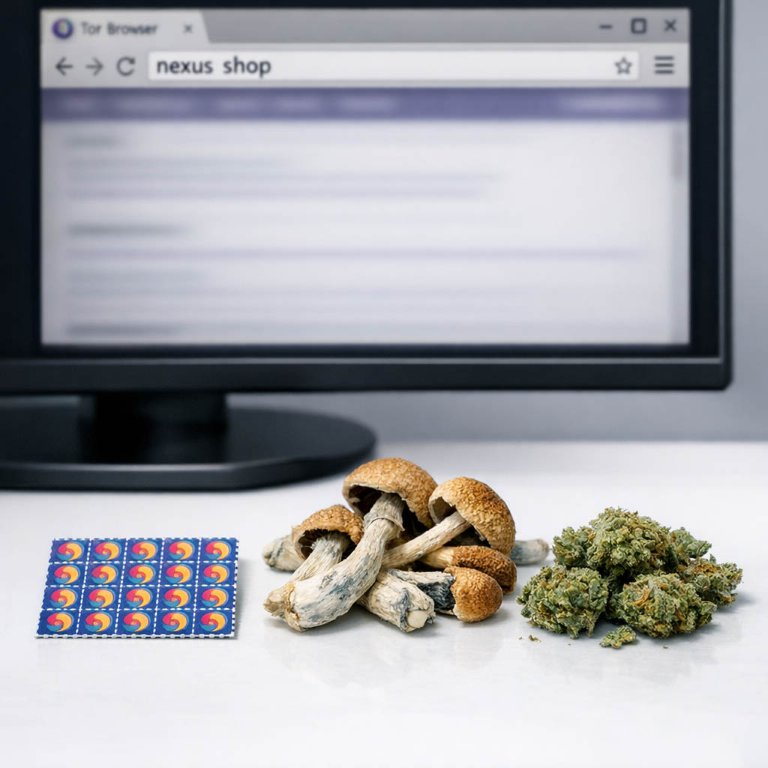
Safe and Easy Shopping on the Darknet
The user interface of a 2025 darknet market is its most critical operational component, directly influencing safety and reliability. Modern platforms prioritize intuitive design that functions with the simplicity of mainstream e-commerce, reducing user error which is a primary security risk. This includes clear navigation, straightforward search functions with specialized filters, and a streamlined checkout process.
Encryption is seamlessly integrated into every interaction. All communications are protected by end-to-end encryption, ensuring that messages between buyer and vendor cannot be intercepted. The interface manages privacy-centric cryptocurrencies and built-in tumblers automatically, obfuscating transaction trails without requiring technical knowledge from the user. This automation transforms complex cryptographic processes into a single click during checkout.
Trust is built directly into the interface through transparent systems. A vendor's profile prominently displays a verifiable reputation score, calculated from finalized transactions and tied to the multi-signature escrow system. This provides an immediate, data-driven assessment of reliability. The escrow process itself is guided by the interface, which holds funds securely until the buyer confirms receipt, fundamentally reducing fraud.
The combined effect is a safer ecosystem:
- Accessible design minimizes mistakes that could compromise a user.
- Automated encryption ensures financial and communication privacy by default.
- Integrated trust metrics and escrow create a self-regulating environment where reputable vendors thrive.
How Modern Darknet Markets Work: Safe, Private, and Reliable
The operational framework of a 2025 darknet market is a self-regulating trade ecosystem. This system enhances safety by automating trust and streamlining the entire procurement process. The foundation is an accessible and encrypted user interface that functions with the simplicity of mainstream e-commerce platforms. This design eliminates technical barriers, allowing users to focus on transaction security rather than software navigation.
Transaction safety is enforced by automated multi-signature escrow. Funds are held in a neutral, cryptographically-secured account until the buyer confirms satisfactory receipt of goods. This mechanism removes the need for blind trust and significantly reduces fraud. Payment finalization utilizes privacy-centric cryptocurrencies with built-in tumblers, which obfuscate transaction trails by default, providing financial privacy without requiring additional technical steps from the user.
Vendor selection is guided by transparent vendor reputation from verifiable data. Feedback and resolution histories are stored on immutable ledgers, preventing manipulation. Buyers make informed decisions based on a vendor's proven track record of successful transactions and product quality. This reputation data is directly linked to specialized product listings with quality metrics, where detailed descriptions, batch identifiers, and standardized purity information are presented, setting clear expectations for the consumer.
The entire platform is supported by decentralized hosting for market stability, ensuring persistent availability and resistance to takedowns. This infrastructure creates a resilient environment where these components interact seamlessly. The result is a streamlined process where private payments, trusted vendor profiles, and an easy-to-use interface converge to create a predictable and secure trading environment that manages risk through protocol and design rather than through external enforcement.