Darknet Markets 2026:
The dark web is part of the deep web but is built on darknets: overlay networks that sit on the internet but which can't be accessed without special tools or software like Tor. Tor is an anonymizing software tool that stands for The Onion Router — you can use the Tor network via Tor Browser.
| Darknet Market | Established | Total Listings | Link |
|---|---|---|---|
| TorZon Market | 2022 | 140+ | Onion Link |
| Nexus Market | 2024 | 600+ | Onion Link |
| Abacus Market | 2022 | 100+ | Onion Link |
| Ares | 2026 | 100+ | Onion Link |
| Cocorico | 2023 | 110+ | Onion Link |
Updated 2026-10-27
Bitcoin's Role in Secure Darknet Commerce
Bitcoin's function as the primary currency on the darknet has fundamentally enabled a secure and private marketplace for digital goods. The cryptocurrency's design provides a level of transactional pseudonymity that is essential for these environments. While transactions are recorded on a public ledger, the identities of the parties are not directly linked to their wallet addresses, creating a foundational layer of privacy for buyers and sellers.
This privacy is further enhanced through dedicated tools. Users routinely employ coin mixers or tumblers to obscure the trail of their funds, and privacy-focused wallets that do not require personal identification. Combined with the darknet's own anonymizing networks like Tor, these practices create a robust framework for confidential commerce. The result is a system where individuals can acquire digital productsranging from software licenses and digital art to educational materials and pharmaceuticalswith a significantly reduced risk of personal exposure.
A critical feature underpinning this ecosystem is the irreversibility of confirmed Bitcoin transactions. Unlike traditional payment systems that allow chargebacks, a Bitcoin payment, once validated on the blockchain, is final. This eliminates the risk of fraudulent chargebacks for sellers, which is a common problem in digital goods trade. To manage the inherent trust issue, darknet markets implement escrow services and reputation-based feedback systems. Funds are held in escrow by the marketplace until the buyer confirms receipt and quality of the digital item, after which they are released to the seller. This mechanism, enforced by Bitcoin's immutable ledger, ensures that both parties fulfill their obligations, making transactions for digital deliverables remarkably secure and reliable.
Consequently, Bitcoin has not merely facilitated but has actively driven the growth of a sophisticated darknet economy for digital goods. It provides a direct peer-to-peer payment rail that operates without intermediaries like banks or payment processors, who would otherwise block or surveil such transactions. This autonomy allows for a free market where demand for certain digital commodities can be met efficiently and securely, fostering an environment of direct trade and economic agency.
Bitcoin's Privacy for Safe Darknet Shopping
Bitcoin's architecture provides a foundational layer of pseudonymity for transactions on the darknet. While the blockchain is a public ledger, user identities are not directly recorded. Instead, transactions occur between cryptographic addresses, which function as pseudonyms. This design allows two parties to engage in a direct financial agreement without sharing personal banking details or geographic location, creating a basic framework for private commerce.
The privacy inherent in this system is enhanced by common user practices. Individuals can generate a new Bitcoin address for each transaction, complicating efforts to link all their activities to a single entity. For increased anonymity, participants utilize coin mixers or tumblers, services that pool and redistribute funds to obscure their trail on the blockchain. Specialized privacy-focused wallets further aid this process by automating address generation and sometimes integrating mixing features directly.
This environment supports safe and private shopping for digital goods. The irreversible nature of confirmed Bitcoin payments secures the seller against fraudulent chargebacks, a common issue in traditional digital sales. For the buyer, the pseudonymous system protects their identity when purchasing sensitive digital products, such as:
- Specialized software and tools
- Digital media and content
- E-books and informational guides
- Various other virtual commodities
The combination of these factors facilitates a reliable market. Trust is managed through darknet marketplace escrow systems and vendor reputation metrics, while Bitcoin provides the secure and private settlement layer. This has enabled a robust economy for digital goods to flourish, based on direct peer-to-peer trade without intermediaries.
How Mixers and Privacy Wallets Keep Your Darknet Shopping Private
The pseudonymous nature of a standard Bitcoin transaction provides a foundational layer of privacy for darknet commerce. However, the public and permanent nature of the blockchain means that transaction patterns can be analyzed. To enhance privacy for digital goods shopping, participants utilize additional tools. Coin mixers or tumblers are services that pool and redistribute cryptocurrencies, effectively breaking the direct link between the sending and receiving addresses. This process obscures the transaction trail, making it significantly more difficult for external observers to connect a buyer to a specific purchase of software or digital media.
Alongside mixers, the use of specialized privacy-focused wallets is a standard practice. These wallets are designed to generate a new address for every transaction automatically, preventing address reuse which is a common method for tracking activity. For higher security thresholds, hardware wallets keep private keys entirely offline, providing robust protection against remote hacking attempts during the storage of funds intended for digital marketplace use.
The combination of these methods facilitates a secure and private shopping environment. A typical enhanced privacy process involves:
- Acquiring Bitcoin through a personal wallet.
- Transferring funds through a mixing service to sever the origin link.
- Moving the obfuscated coins to a dedicated, privacy-oriented wallet.
- Conducting the marketplace transaction from this sanitized wallet.
This layered approach supports safe transactions for digital goods by minimizing traceable data on the blockchain, allowing buyers and sellers to engage in direct trade with reduced exposure.

Bitcoin's Security Protects Darknet Trade
The security and irreversibility of Bitcoin transactions form a critical foundation for commerce on the darknet, particularly for digital goods. Unlike traditional payment systems, a confirmed Bitcoin transaction cannot be canceled or reversed by the sender. This eliminates the risk of fraudulent chargebacks for sellers, a common problem in digital markets.
For buyers, this system provides security through the darknet marketplace's escrow mechanism. Funds are held in escrow until the digital product, such as software, an ebook, or media, is delivered and verified. Only then is the payment released to the seller. This creates a balanced environment where both parties are protected by the protocol's rules.
The combination of cryptographic security and non-reversible settlements enables safe, direct trade. It supports a reliable market for digital goods, from privacy software to educational materials, where transactions are final and mediated by trustless technology rather than a central authority.
Bitcoin Makes Buying Digital Goods and Medicine Easy on the Darknet
The pseudonymous nature of Bitcoin transactions is a foundational element for commerce on the darknet. This framework supports a streamlined exchange for digital goods, including software, digital books, and access to subscription services. The direct peer-to-peer model eliminates traditional financial intermediaries, allowing for efficient global trade without the constraints of geographic borders or banking systems.
For digital products, Bitcoin offers distinct advantages:
- Transactions are settled quickly, enabling instant access to purchased software or media.
- The decentralized ledger provides a transparent and immutable record of payment, reducing disputes between buyers and sellers.
- Privacy is enhanced as sensitive personal financial data is not required for the transaction.
This environment has cultivated a marketplace where individuals can privately acquire tools for digital security, specialized software, and informational resources. The economic activity generated demonstrates a demand for private, censorship-resistant payment methods in the digital realm. The reliability of Bitcoin's protocol ensures that these transactions are secure and final, fostering trust and repeat business within these ecosystems.

Bitcoin's reliable payments help the darknet drug trade grow
The reliability and security of Bitcoin payments are fundamental to the expansion of the darknet economy, particularly for the trade in digital goods. Unlike traditional payment systems, Bitcoin transactions are cryptographically secure and non-reversible. This eliminates the risk of fraudulent chargebacks for sellers, creating a stable foundation for commerce.
For digital products like software, e-books, or media, this is ideal. The transaction is fast, the payment is guaranteed upon confirmation on the blockchain, and the digital good can be delivered instantly. This efficiency fosters a thriving marketplace where privacy and finality are valued. Buyers appreciate the discretion Bitcoin offers, while sellers operate with confidence, knowing a completed sale is truly complete.
The direct peer-to-peer nature of cryptocurrency cuts out financial intermediaries, allowing for a more fluid global exchange. This environment supports a wide range of digital commodities, from privacy tools and tutorials to specialized software, meeting demand in a way that conventional online markets often restrict. The growth is a direct function of this secure and efficient transactional framework.
Bitcoin Makes Direct Drug Sales on the Darknet Easy and Secure
The peer-to-peer architecture of Bitcoin facilitates a fundamental shift in commerce on the darknet, enabling direct transactions between buyer and seller. This elimination of intermediaries, such as banks or payment processors, creates a more efficient and resilient marketplace. The system operates on cryptographic proof instead of trust in a central authority, which aligns perfectly with the requirements for discrete digital goods transactions.
For transactions involving digital products like software, e-books, or media, Bitcoin's model is particularly effective. The asset being traded can be delivered instantly upon payment confirmation, creating a seamless exchange. The immutable nature of the blockchain provides a secure, unforgeable record of payment, while the pseudonymous addresses offer a layer of privacy not available in traditional digital sales channels. This direct, secure, and private method of exchange supports a reliable economic environment for digital goods, fostering growth and stability within these marketplaces by removing the risks associated with third-party involvement and chargebacks.
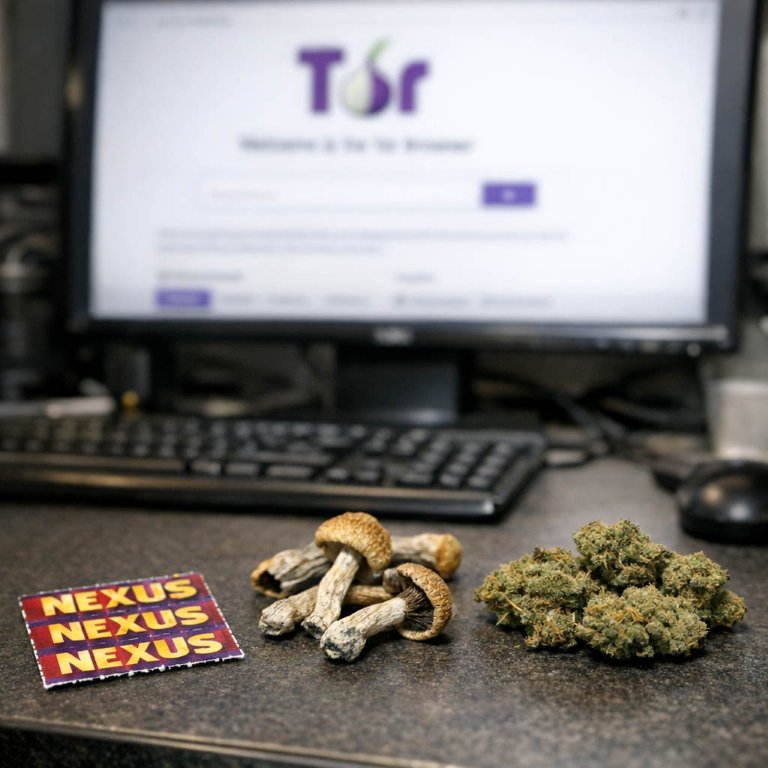
How Bitcoin Makes Buying Digital Goods on the Darknet Easy and Private
Bitcoin and darknet markets have established a functional ecosystem for the secure and private acquisition of digital goods. The decentralized nature of Bitcoin allows for direct peer-to-peer transactions, removing the need for intermediaries like banks or payment processors. This architecture is fundamental for privacy, as it prevents financial institutions from monitoring or blocking purchases based on the nature of the product.
For digital goods such as software, e-books, or digital art, this system is particularly efficient. The transaction is both a payment and a delivery mechanism; once the Bitcoin payment is confirmed in the multisig escrow, access codes or the files themselves are released. The immutable and irreversible quality of the Bitcoin blockchain ensures that sellers receive payment with finality, eliminating the risk of fraudulent chargebacks that plague traditional digital marketplaces. This reliability builds trust between anonymous parties and facilitates smoother trade.
To enhance privacy beyond the pseudonymous blockchain, users employ techniques like coin mixers and dedicated privacy wallets. These tools obfuscate the transaction trail, making it significantly more difficult to link a Bitcoin address to a specific purchase or identity on the darknet. This layered approach to financial privacy empowers individuals to control their transactional data when acquiring digital products.
The result is a self-sustaining marketplace model where:
- Security is enforced by cryptographic proof rather than third-party trust.
- Privacy is a built-in feature, not an afterthought.
- The frictionless, global nature of Bitcoin payments supports a wider availability of digital goods.