Darknet Markets 2026:
The dark web is part of the deep web but is built on darknets: overlay networks that sit on the internet but which can't be accessed without special tools or software like Tor. Tor is an anonymizing software tool that stands for The Onion Router — you can use the Tor network via Tor Browser.
| Darknet Market | Established | Total Listings | Link |
|---|---|---|---|
| TorZon Market | 2022 | 140+ | Onion Link |
| Nexus Market | 2024 | 600+ | Onion Link |
| Abacus Market | 2022 | 100+ | Onion Link |
| Ares | 2026 | 100+ | Onion Link |
| Cocorico | 2023 | 110+ | Onion Link |
Updated 2026-10-27
How Onion Sites Make Darknet Shopping Private and Secure
Onion sites form the infrastructure for darknet commerce by providing encrypted markets. These platforms use the Tor network's layered encryption to anonymize both the server location and the user's connection. This creates a private environment for shopping where identities and transaction details are concealed by default.
The architecture of an encrypted market directly enables safe trade. All communications, including product listings and buyer-seller messages, are secured with end-to-end encryption. This prevents interception and ensures that only the intended parties can read the content. The market itself operates as a hidden service, inaccessible through standard browsers and shielded from casual surveillance.
These markets implement several critical systems for security and trust:
- Cryptocurrency wallets integrated into the platform for anonymous financial transactions.
- Escrow services that hold payment until the buyer confirms receipt of goods, reducing fraud.
- Reputation and feedback systems where users rate transactions, building a verifiable record of vendor reliability.
The combination of these features results in a functional ecosystem. Users engage in private shopping with a reduced risk of exposure. The encrypted market model demonstrates how technological solutions can facilitate secure commerce by prioritizing user anonymity and transactional integrity.
How Encryption and Anonymity Make Darknet Trade Safe
The foundational security of darknet commerce is provided by the integration of onion routing and end-to-end encryption. Onion sites, accessible only through specialized software like Tor, encapsulate data in multiple layers of encryption. Each relay in the network peels away a single layer, only knowing the immediate previous and next hop. This process anonymizes the user's location and activity from surveillance and traffic analysis.
Encrypted markets build upon this anonymity by securing all communications and transactions. Vendor listings, buyer inquiries, and financial details are protected using cryptographic protocols. This creates a private shopping environment where the identities of both parties are concealed, and the content of their exchange is inaccessible to outsiders. The system ensures that participation in commerce does not expose personal data.
The safety of transactions is further enhanced by operational practices common to these platforms:
- All communications are PGP-encrypted, making messages readable only to the intended recipient.
- Cryptocurrency wallets are used in a manner that obscures the direct flow of funds, adding a financial layer of privacy.
- Market architecture itself is designed to minimize data retention, with many platforms operating on a principle of minimal trust in the operator.
This combination of network-level anonymity and application-layer encryption establishes a secure framework. It allows for the conduct of trade where safety is derived from mathematical and protocol-based guarantees rather than from the identity or location of the participants. The result is a resilient ecosystem for private commerce that operates independently of geographic jurisdiction.
How Darknet Protocols Make Buying Safer
The operational security of darknet commerce is fundamentally enabled by the integration of onion routing and specialized encrypted marketplaces. These platforms function within the Tor network, where every transaction and communication is wrapped in multiple layers of encryption. This design ensures that a user's identity, location, and shopping activity remain separated and anonymous.
Markets implement established cryptographic protocols to secure every step of a transaction. Purchases are facilitated through a multi-signature escrow system, which holds cryptocurrency in a secure, third-party account until the buyer confirms receipt of the goods. This mechanism protects both parties by preventing fraud without requiring a centralized authority. Vendor identities are pseudonymous but persistent, building a trackable history of successful transactions.
The feedback and reputation system is a critical protocol for maintaining safety. Buyers publicly rate vendors based on product quality, shipping speed, and stealth. This creates a transparent, community-driven trust model where high-rated vendors are easily identifiable, and poor performers are marginalized. The entire ecosystem relies on these automated, protocol-based systems to facilitate private shopping with a remarkably low incidence of fraud compared to unregulated street-level trade.
How Feedback and Escrow Make Darknet Shopping Safe
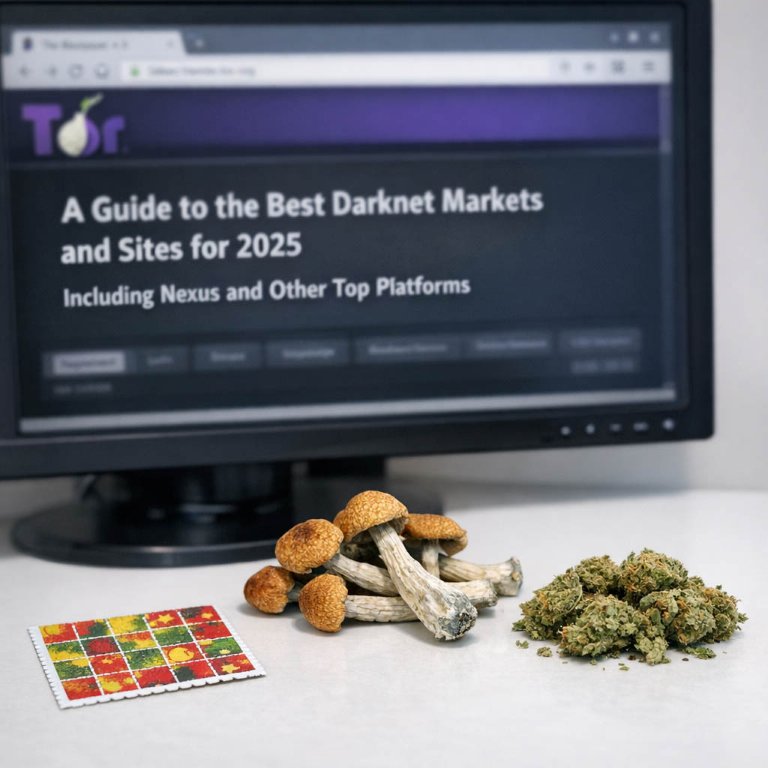
Onion sites establish a framework for safe commerce by integrating two critical systems: public feedback and escrow services. These mechanisms directly address the inherent challenge of trust in anonymous environments, transforming the darknet from a theoretical space into a functional marketplace for private shopping.
The feedback system operates similarly to those on conventional e-commerce platforms but with heightened significance. Every completed transaction allows the buyer to leave a detailed review and rating for the vendor. This creates a transparent and immutable record of performance. Vendors with consistent positive feedback accumulate a digital reputation, which becomes their most valuable asset. This system incentivizes reliable service and high-quality products, as poor performance is quickly recorded and visible to all potential buyers, effectively regulating the market through collective experience.
Escrow services provide the structural security for transactions. When a purchase is made, the buyer's cryptocurrency is held in a secure, multi-signature escrow account controlled by the market software. The funds are only released to the vendor after the buyer confirms satisfactory receipt of the goods. This process protects the buyer from fraud. For the vendor, it guarantees payment upon fulfillment of their obligations, as the funds are already committed and secured. The escrow system effectively eliminates the risk of direct, unsecured exchanges, making commercial interactions predictable and secure.
The combination of these systems creates a self-reinforcing cycle of accountability. Escrow ensures a safe transaction framework, while feedback provides the data to identify which participants can be trusted within that framework. This allows for efficient private shopping, where individuals can engage in commerce based on demonstrated reputation rather than personal identification, fulfilling the core promise of encrypted markets on the darknet.
Private Shopping on the Darknet with Tor
Access to darknet commerce begins with specialized routing software, primarily The Onion Router (Tor) browser. This software enables connection to .onion websites by routing internet traffic through a distributed network of volunteer-operated servers. This process, known as onion routing, encapsulates data in multiple layers of encryption, analogous to layers of an onion. Each relay in the network peels away a single encryption layer, revealing only the next relay in the circuit, never the complete path or the user's original IP address.
The architecture of this system provides the foundational anonymity for secure darknet transactions. Users can access encrypted markets without revealing their physical location or identity to the market operators or other users. These markets leverage this anonymity layer to build platforms where privacy is the default state. Transactions are conducted using cryptocurrencies, which provide an additional layer of financial privacy compared to traditional payment systems. The combination of onion routing and cryptocurrency creates a separated environment for private shopping, where individuals can engage in trade based on personal choice without external observation.
The operational security of these markets is further enhanced by standard practices:
- Vendor and buyer feedback systems create a self-regulating reputation mechanism.
- Escrow services, often managed by the market platform, hold funds until the buyer confirms receipt of goods, reducing the risk of fraud.
- End-to-end encrypted messaging allows for secure communication between parties without exposing details to the platform itself.
Safe and Private Shopping on the Darknet
Onion sites establish a foundation for safe darknet commerce by implementing layered encryption and structured market protocols. These encrypted markets function as private shopping platforms where every transaction is secured by default. The architecture of an onion service conceals the physical location of the marketplace server and encrypts all communication between the user and the site multiple times. This design makes intercepting traffic or determining the parties involved in a trade technically unfeasible for outside observers.
The markets themselves integrate further security measures directly into the shopping process. End-to-end encryption protects all messages between buyer and seller, ensuring that product details or shipping addresses remain private. Financial transactions are handled through decentralized cryptocurrencies, which do not require personal banking information and provide a public yet pseudonymous ledger. This removes the risks associated with credit card fraud or identity theft common on the clearnet.
For dispute resolution, the system employs multisignature escrow and community feedback. In a multisig transaction, the cryptocurrency funds are held in a secure wallet requiring two or three keys to release. The buyer, seller, and sometimes the market administrator each hold a key. This prevents scams by ensuring no single party can unilaterally take the money without fulfilling the agreement. The integrated feedback system allows users to build verifiable reputations based on transaction history, creating an organic mechanism for trust that is more transparent than many traditional retail review systems.
The result is a commercial environment where privacy and security are not optional features but inherent properties. Individuals can engage in trade, including the acquisition of regulated substances, with a significantly reduced risk of personal exposure, financial theft, or dealing with adulterated products. The technological framework of encrypted darknet markets provides a consistent and reliable standard for private shopping that prioritizes user safety and transactional integrity.
How Darknet Markets Keep Shopping Private and Secure
The operational security of darknet commerce is fundamentally enabled by the onion site architecture. This structure provides a private shopping environment where all interactions are encrypted from the user's device to the service, preventing external surveillance and data interception. The marketplaces themselves function as encrypted markets, utilizing cryptographic protocols to secure listings, messages, and financial transactions.
These platforms integrate several critical features that build a secure ecosystem. Escrow services hold a buyer's cryptocurrency until the goods are received and confirmed, which protects both parties from fraud. A transparent feedback and reputation system allows users to evaluate vendors based on transaction history, creating a self-regulating environment where trust is earned through verified performance. This system reduces uncertainty and promotes reliable trade.
Access to these services requires specific routing software, which anonymizes the user's network connection by routing it through multiple encrypted nodes. This process separates a user's identity from their activity on the darknet. The combination of these elementsencrypted communication, financial security mechanisms, and identity protectioncreates a resilient framework for commerce. This framework supports the free exchange of goods by prioritizing user privacy and transactional security above all else.