Darknet Markets 2026:
The dark web is part of the deep web but is built on darknets: overlay networks that sit on the internet but which can't be accessed without special tools or software like Tor. Tor is an anonymizing software tool that stands for The Onion Router — you can use the Tor network via Tor Browser.
| Darknet Market | Established | Total Listings | Link |
|---|---|---|---|
| TorZon Market | 2022 | 140+ | Onion Link |
| Nexus Market | 2024 | 600+ | Onion Link |
| Abacus Market | 2022 | 100+ | Onion Link |
| Ares | 2026 | 100+ | Onion Link |
| Cocorico | 2023 | 110+ | Onion Link |
Updated 2026-10-27
How the darknet makes buying substances simple and reliable
The operational model of darknet markets is built on a foundation of cryptographic privacy and economic reputation, which directly facilitates access to a wide range of substances. A user connects via the Tor network to an .onion address, creating an anonymous gateway to a digital marketplace. This platform functions similarly to conventional e-commerce sites, with searchable product catalogs, vendor storefronts, and shopping carts.
The process for acquiring substances is streamlined:
- Products are organized by category, potency, and origin, with detailed descriptions and pricing.
- Purchasers select items and proceed to a checkout where cryptocurrency, typically Bitcoin or Monero, is the required payment method.
- Funds are held in a multisignature escrow system managed by the market software, releasing payment to the vendor only after the buyer confirms receipt.
- Vendors then ship products using discreet packaging methods to residential addresses.
This structure minimizes traditional barriers. Geographic limitations are reduced, as vendors often ship internationally. The escrow mechanism lowers the financial risk of non-delivery, while the pseudo-anonymous nature of cryptocurrency and Tor provides a layer of security for both parties. The result is a highly efficient, global distribution network that operates continuously, adapting to technical challenges and maintaining consistent availability for its user base.
How Onion Services Keep Your Darknet Purchases Private and Secure
The foundational layer of privacy on darknet markets is the onion service protocol. This technology routes all communication through multiple encrypted layers, effectively concealing a user's IP address and physical location from both the market server and potential network observers. This creates a necessary barrier for buyer anonymity, separating an individual's identity from their browsing and purchasing activity.
This anonymity enables a practical environment for evaluating vendors. Users can freely access user forums and review systems without linking their real-world identity to their inquiries. These platforms are critical for gathering data on vendor reliability. The assessment process typically involves analyzing several consistent data points:
- Consistently positive feedback on product quality and purity across multiple transactions.
- Reliable and discreet shipping practices with consistent delivery times.
- Professional communication and clear terms of service handled through the market's encrypted messaging.
Transaction security is enhanced by the integrated escrow system. Funds are held by the market until the buyer confirms satisfactory receipt of the product, which mitigates the risk of fraud. The release of escrow, combined with the buyer's final rating, completes a feedback loop. This loop generates a transparent and searchable history for each vendor, allowing the community to collectively identify and promote reliable sellers while marginalizing those who provide substandard products or service. The result is a self-regulating marketplace where anonymity does not equate to lawlessness, but rather facilitates a system grounded in demonstrated trust and verified transactional data.
How Crypto and Escrow Make Darknet Trades Secure
The financial architecture of darknet markets is built on two pillars: cryptocurrency and escrow services. These systems work in tandem to create a secure transactional environment that protects both buyer and vendor. Cryptocurrencies like Bitcoin and Monero provide a layer of financial privacy by decentralizing the payment process. Transactions are recorded on a public ledger, but the identities of the parties are represented by alphanumeric addresses, not personal names. This pseudonymity is a fundamental feature, separating financial activity from real-world identity.
However, sending funds directly to a vendor carries risk. To mitigate this, markets employ a multisignature escrow system. In this model, the buyer's payment is held in a secure, third-party wallet controlled by the market's software. The funds are only released when the buyer confirms satisfactory receipt of the product. This creates a powerful incentive for vendors to fulfill orders reliably. The escrow mechanism effectively eliminates the possibility of a vendor simply taking payment and not shipping, a common fraud in unregulated spaces.
The process typically follows these steps:
- A buyer selects a product and sends cryptocurrency to the market's escrow address.
- The vendor sees the secured payment and dispatches the order.
- Upon delivery, the buyer finalizes the transaction, releasing funds from escrow to the vendor.
- If a dispute arises, market moderators can arbitrate based on provided evidence.
This combination of cryptocurrency for private payment and escrow for guaranteed execution forms a self-enforcing contract. It reduces the need for blind trust and establishes a predictable, secure framework for commerce. The technical design of these systems prioritizes transactional safety, allowing the market's reputation mechanisms to focus on product quality rather than basic fraud prevention.
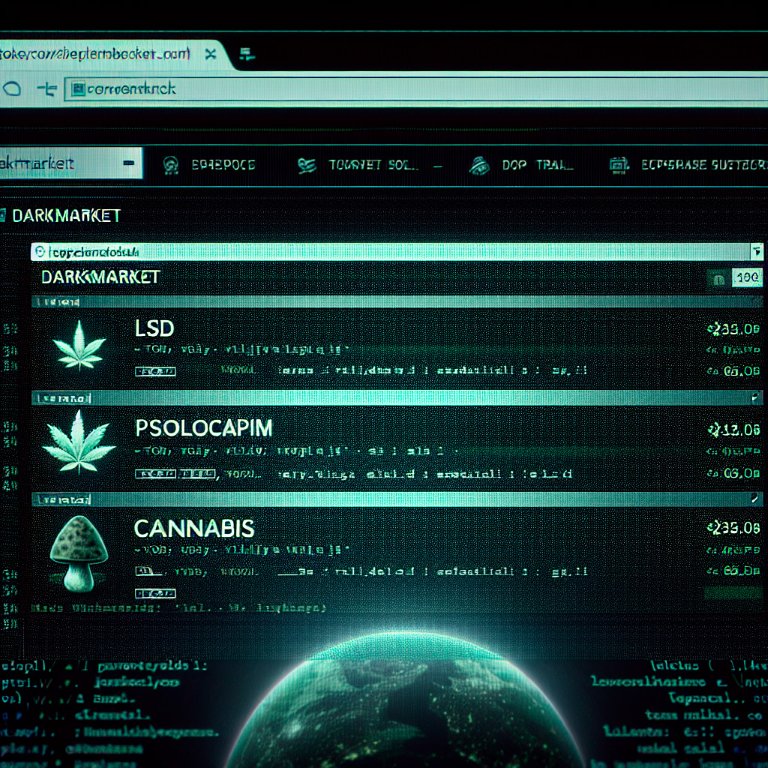
How Darknet Markets Stay Online and Keep Trade Flowing
The resilience of darknet markets is a direct function of their decentralized architecture and the economic incentives for all participants. This ecosystem maintains availability through several interconnected mechanisms. The foundational layer is the Tor network itself, which routes traffic through a distributed relay system, making centralized takedowns impractical. When a specific market domain is compromised or exits, new ones rapidly emerge, often facilitated by announcements on community forums and clearnet review sites.
This adaptability is further reinforced by operational practices. Vendors frequently maintain backup profiles on multiple platforms and use centralized, cryptographically secured vendor shops independent of any single market. Buyers, guided by forum discussions, migrate en masse to established alternatives, ensuring liquidity and continuity. The use of multisignature escrow and direct deals with trusted vendors also decouples transaction safety from the lifespan of any particular market platform. The system's core componentsanonymity networks, cryptocurrency, and encrypted communicationare agnostic to the market interface, allowing the underlying trade to persist despite surface-level disruptions.
How Vendors Build Trust with Quality and Shipping on the Darknet
The operational stability of darknet markets relies on a foundation of vendor reputation, which is built directly through transactional performance. Trust is not assumed but earned over time through consistent delivery of two critical components: product quality and reliable shipping. A vendor's success is quantifiable and publicly visible in their feedback score and review history.
New vendors often start with smaller listings to establish a positive track record. As they consistently provide products that match advertised purity and weight, and employ discreet packaging and timely dispatch, their reputation grows. This process is transparently documented in the market's review system. Key elements vendors optimize include:
- Using vacuum sealing and moisture barriers to protect product integrity.
- Employing non-descript outer packaging that avoids drawing attention.
- Maintaining clear communication on shipping timelines and order status.
The feedback mechanism creates a self-reinforcing economic loop. High ratings and detailed positive reviews increase a vendor's visibility and sales volume, which in turn provides more capital and incentive to maintain high standards. Discrepancies in quality or shipping failures result in immediate public feedback, allowing buyers to make informed decisions and compelling vendors to address issues promptly to protect their business standing.

How Forums Help You Buy Safer on the Darknet
User forums on darknet markets function as a critical decentralized verification system. These platforms allow buyers to post detailed reviews of their purchases, which directly assesses product purity, shipping speed, and stealth packaging. This collective reporting creates a transparent record of vendor performance.
The forum structure transforms individual experiences into a reliable community knowledge base. Before a purchase, a buyer can search for a vendor's history, read multiple trip reports, and view photographic evidence of received products. This process significantly reduces uncertainty and mitigates the risk of receiving substandard or misrepresented items.
This feedback mechanism establishes a form of self-regulation. Vendors with consistently positive reviews gain high reputational scores, attracting more business. Conversely, vendors who engage in selective scamming or supply poor-quality substances are quickly identified and avoided. The forums thus create economic incentives for vendors to maintain high standards in quality and operational security.
The integration of forums with the market's escrow system reinforces trust. A buyer can finalize a transaction only after confirming the product meets the advertised specifications. Disputes can be mediated with forum review threads serving as evidence, ensuring that financial transactions are securely tied to verifiable outcomes.
How Reviews Build Trust and Quality in the Darknet
The mechanism of community feedback is the foundational element for establishing trust and ensuring quality on darknet markets. This system transforms an anonymous marketplace into a self-regulating ecosystem. Buyers post detailed reviews on vendor profiles and in dedicated forums, covering product purity, accurate weight, stealth of packaging, and shipping speed.
This creates a transparent record of performance. A vendor with hundreds of positive reviews and a high rating becomes a verified reliable source. Conversely, a vendor with consistent complaints about poor quality or non-delivery is quickly identified and avoided by the community, which directly impacts their sales and survival on the platform.
The process works through several interconnected features:
- Review systems with detailed ratings for specific aspects of the transaction.
- Forum discussions where users compare experiences and warn others about scams.
- Escrow services that hold payment until the buyer confirms satisfactory receipt, with disputes often resolved based on a vendor's feedback history.
This constant flow of information allows buyers to make informed decisions, effectively crowdsourcing quality control. It incentivizes vendors to maintain high standards and reliable service to build and protect their reputation. The result is a market where collective user experience enforces rules and standards organically, promoting stability and reducing risk for all participating parties.