Darknet Markets 2026:
The dark web is part of the deep web but is built on darknets: overlay networks that sit on the internet but which can't be accessed without special tools or software like Tor. Tor is an anonymizing software tool that stands for The Onion Router — you can use the Tor network via Tor Browser.
| Darknet Market | Established | Total Listings | Link |
|---|---|---|---|
| TorZon Market | 2022 | 140+ | Onion Link |
| Nexus Market | 2024 | 600+ | Onion Link |
| Abacus Market | 2022 | 100+ | Onion Link |
| Ares | 2026 | 100+ | Onion Link |
| Cocorico | 2023 | 110+ | Onion Link |
Updated 2026-10-27
Darknet Markets Work Just Like Your Favorite Online Stores
The operational model of darknet markets directly mirrors that of mainstream e-commerce platforms, creating a familiar and efficient environment for users. A customer begins by browsing vendor listings, which are organized into categories and feature detailed descriptions, photographs, and pricing. The selection process is supported by robust feedback and rating systems, where previous buyers leave detailed reviews on product quality and vendor reliability. This transparent peer-review mechanism is fundamental for establishing trust and quality assurance within the ecosystem.
Upon selecting a product, the transaction is secured through an integrated escrow service. The buyer's cryptocurrency payment is held in escrow by the market's automated system, not released to the vendor until the buyer confirms satisfactory receipt of the goods. This process effectively minimizes fraud and builds a secure framework for exchange. Finalizing the transaction requires only a shipping address, which is protected by strong encryption, ensuring communication and data remain confidential.
The entire financial layer is handled by cryptocurrencies like Bitcoin or Monero, which provide a natural layer of payment anonymity. When combined with the network anonymity of Tor or I2P, the result is a streamlined, secure, and discreet commercial experience. The design is intentionally resilient, often featuring decentralized hosting and multisig escrow options to protect the marketplace and its users from disruption, ensuring consistent service availability and transactional security.
How Encryption Keeps Darknet Drug Trade Safe and Private
The foundation of a darknet market's operation is its use of strong encryption, which creates a secure environment for transactions. This technology functions similarly to the security on mainstream e-commerce platforms but is applied with a greater emphasis on anonymity. When a user accesses a market, their connection is routed through the Tor network, which encrypts and bounces their traffic through multiple relays. This process effectively conceals the user's actual IP address and physical location from the market servers and any potential network observers.
Beyond connection security, encryption protects all communications. Messages between buyers and vendors are secured using end-to-end encryption (E2EE), often facilitated by PGP keys. This means that only the intended recipient can decrypt and read the message content, not even the market administrators. This system ensures that sensitive details, such as delivery addresses disguised as innocent information, remain private. The combination of Tor routing and E2EE establishes a robust framework for user privacy, making participation in the marketplace a technically secure activity. The architecture is designed so that security is a default, integrated feature, not an optional add-on, which simplifies the user experience by automating complex privacy measures.
How Crypto Makes Buying on the Darknet Easy and Private
Cryptocurrency is the financial engine of the darknet, enabling transactions that are both simple and secure by design. Unlike traditional banking, which ties payments to personal identity, cryptocurrencies like Bitcoin and Monero operate on decentralized networks. This means payments can be processed without a central authority verifying who the sender and receiver are. The process is straightforward: a buyer sends cryptocurrency from their personal wallet to the vendor's address listed on the product page. The transaction is recorded on a public ledger, the blockchain, but the identities behind the wallet addresses are not inherently revealed, providing a layer of pseudonymity.
To enhance security and true anonymity, users employ additional practices. Tumbling or mixing services are commonly used to break the link on the blockchain between the source and destination of funds. This involves pooling and redistributing coins with those of other users, effectively obscuring the transaction trail. Privacy-focused coins such as Monero go further by using cryptographic techniques to hide transaction amounts and participant addresses by default. The combination of these tools creates a secure payment environment where financial interactions are separated from real-world identity, reducing risk for both buyers and sellers. This system mirrors the efficiency of conventional e-commerce payments while prioritizing user privacy through cryptographic proof instead of personal trust.

How Escrow Makes Buying on the Darknet Safe and Fair
The core transactional security on a darknet market is provided by its escrow system. This mechanism directly addresses the inherent lack of trust in an anonymous environment. When a buyer places an order, their cryptocurrency payment is held in escrow by the market's automated software, not released immediately to the vendor.
The funds remain in this secure, third-party holding account until the buyer confirms satisfactory receipt of the product. Only then is the payment automatically finalized and transferred to the vendor's account. This simple process effectively eliminates the risk of vendors accepting payment but never shipping the goods, a common fraud in unregulated spaces.
For the vendor, escrow offers protection against false claims of non-delivery. The system requires the buyer to either finalize the order or open a formal dispute within a specific timeframe. This structure incentivizes both parties to communicate and fulfill their obligations honestly. The escrow model creates a balanced and self-regulating marketplace where secure and reliable transactions can occur between strangers, fostering a professional commercial environment.
How Reviews Build Trust for Quality on the Darknet
The feedback and review system is a core mechanism for quality assurance on darknet markets, directly mirroring the reputation models of mainstream e-commerce. After a transaction is finalized, buyers leave detailed reviews and numeric ratings for both the product and the vendor. This creates a transparent, crowd-sourced record of reliability.
A vendor's reputation is built on several visible metrics:
- Average product rating, often on a five-star scale.
- The total number of completed transactions.
- Specific written feedback about product purity, weight, and shipping speed.
This system incentivizes vendors to maintain high standards, as consistent positive feedback attracts more business. Buyers can assess a vendor's history before purchasing, significantly reducing the risk of receiving substandard or misrepresented products. The feedback loop creates a self-regulating environment where trust is earned through verifiable performance, making anonymous drug sales a more predictable and secure process for all parties involved.

How Darknet Markets Stay Open for Business
The architecture of darknet markets is fundamentally resilient, built to withstand external pressures and maintain continuous service for discreet commerce. This resilience directly translates into a simple and secure operational environment for anonymous drug sales. The core of this design is decentralization. Unlike a traditional online store hosted on a single server, these platforms often utilize distributed hosting and Tor hidden services, making them difficult to locate and shut down permanently.
This infrastructure ensures that the marketplace remains accessible, providing a stable platform for transactions. The design incorporates redundant systems for critical functions. Vendor shops and product listings are often backed up and can be migrated if a market faces issues. Many markets operate an escrow system that is automated and distributed, protecting funds even during administrative disruptions. This removes a significant point of failure and builds user confidence.
The model adapts through community-driven protocols. If a market is closed, established vendors and buyers can rapidly regroup on new platforms using shared reputation metrics from feedback systems. This creates a persistent ecosystem rather than a fragile single site. The use of cryptocurrency with built-in transaction anonymity complements this by ensuring the financial layer is as resilient and distributed as the platform itself.
Security for the user is simplified through integrated tools. Access requires only a Tor browser, and all communications are end-to-end encrypted by default, eliminating the need for users to configure complex security software. The combination of these design principlesdecentralization, redundancy, and adaptive protocolsresults in a robust environment where anonymous drug sales are conducted with a straightforward and reliable process.
How the platform makes buying easier and safer
The operational model of a darknet market is fundamentally user-driven, evolving through direct feedback and competitive pressure to streamline the process of anonymous commerce. This adaptation makes acquiring substances a process comparable to conventional e-commerce, but with layers of privacy and security designed for this specific context. The system removes traditional complexities by integrating essential tools directly into a single platform.
A user's journey begins with encrypted access, which functions as a secure login, protecting identity from the outset. The marketplace itself is structured with clear categories, search functions, and vendor shops, mirroring the familiar interface of surface web retailers. This design choice reduces the learning curve and focuses the user on product selection based on detailed listings, rather than navigating security procedures manually.
The financial transaction is handled through cryptocurrency wallets and escrow services automated by the platform. When a purchase is made, funds are held in escrow, a neutral third-party system, until the buyer confirms receipt. This mechanism builds trust between strangers by ensuring the vendor is paid only upon successful delivery, effectively mitigating the risk of fraud. The entire payment process is abstracted into a few clicks, separating the user from the underlying blockchain complexities.
Post-transaction, the feedback and rating system closes the loop. Buyers publicly rate vendors on product quality, stealth of shipping, and communication. This creates a self-regulating quality control where high-rated vendors gain more business, and poor performers are marginalized. The platform thus leverages community input to maintain marketplace integrity and reliability, encouraging consistent service standards.
Finally, the model demonstrates resilience through decentralization. Markets often operate with mirror links and can migrate to new domains if one is compromised. This design ensures service continuity for users, adapting to external pressures without disrupting the core trading ecosystem. The combined effect of these adapted features is a streamlined, secure, and user-centric environment for discreet trading.
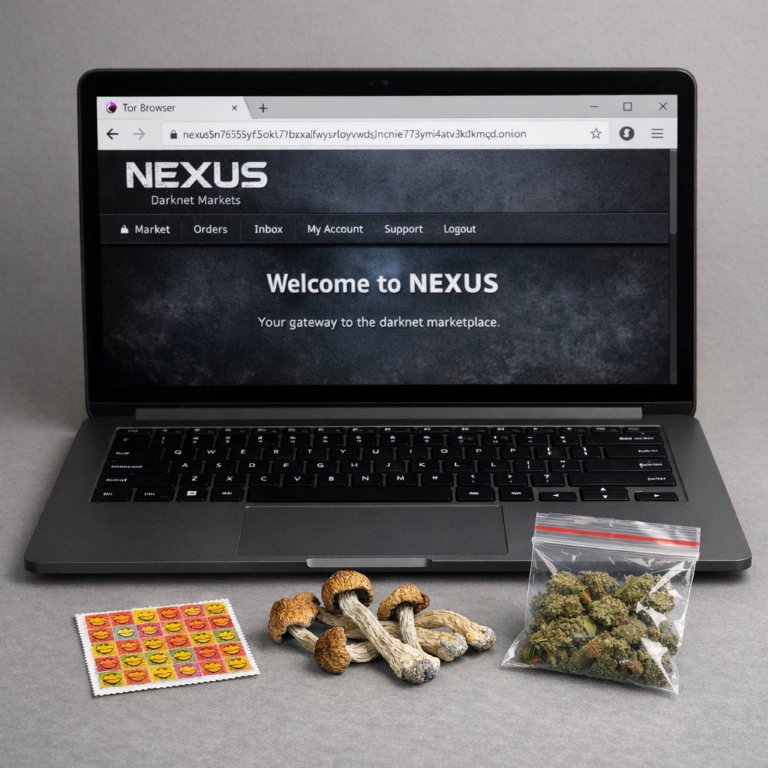
How Darknet Markets Work Like Regular Online Shopping
The operational model of darknet markets directly mirrors that of mainstream e-commerce platforms, applying familiar principles to a specialized sector. This design philosophy makes the process of acquiring substances straightforward and reliable for the user. The foundation of this simplicity is a multi-layered security protocol that begins with mandatory encryption. All communications, from browsing listings to finalizing orders, are conducted through encrypted channels, ensuring that a user's activities and identity remain private and separated from their real-world persona.
Financial transactions are handled exclusively through cryptocurrencies like Bitcoin or Monero. This system provides a payment method that is both secure and pseudonymous, removing the need for traditional banking and its associated identity checks. The currency is held by the market's escrow service upon order placement, which acts as a neutral third party. Funds are only released to the vendor once the buyer confirms satisfactory receipt of the product. This mechanism effectively minimizes the risk of fraud for both parties, fostering a basic level of trust that is essential for any remote transaction.
Quality assurance is managed through a transparent feedback and rating system. After a transaction, buyers leave detailed reviews and scores based on product quality, shipping speed, and stealth packaging. This creates a self-regulating environment where vendors with consistently positive reviews rise to prominence, while unreliable sellers are quickly identified by the community. The entire platform is built on a resilient and adaptive infrastructure, often utilizing technologies like Tor hidden services to maintain uptime and resist external interference. This combination of encryption, anonymous finance, secured escrow, and community-driven feedback creates a streamlined and secure ecosystem that simplifies anonymous trade by systematically mitigating its inherent risks.